What to draw / How to draw / Animals
How to draw a dinosaur
Long-necked sauropod (Brachiosaurus type), side view: 8 steps, about 20 minutes. Red lines are new in each step; grey lines are what you've already drawn.
Step 1 of 8
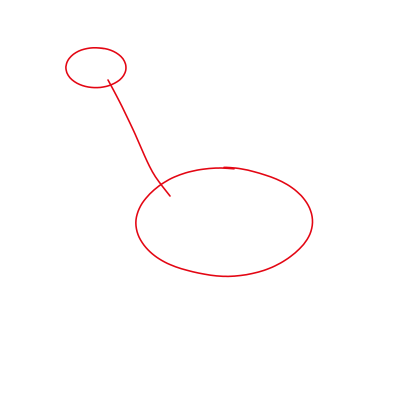
Start with a long oval for the body, tilted so the front (shoulder) end is higher than the back. Add a small oval for the head high up on the left and a curved line joining them for the neck. Brachiosaurus-type sauropods carry their necks steeply upward like a giraffe.
· · Steps as a list
How to draw a dinosaur (detailed), step by step
-
1 Step 1
Start with a long oval for the body, tilted so the front (shoulder) end is higher than the back. Add a small oval for the head high up on the left and a curved line joining them for the neck. Brachiosaurus-type sauropods carry their necks steeply upward like a giraffe.
-
2 Step 2
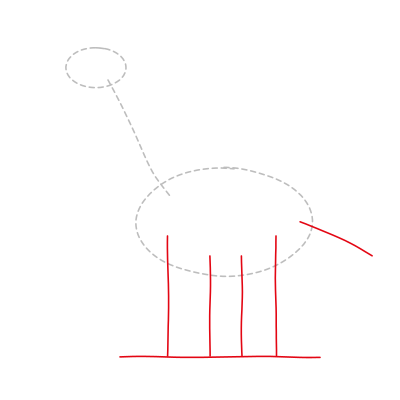
Mark the legs and tail with lines. The front legs come down from under the shoulder and are longer than the hind legs, which come down from the hip. All four end on the same ground line. The tail is a short, tapering curve from the hip.
-
3 Step 3
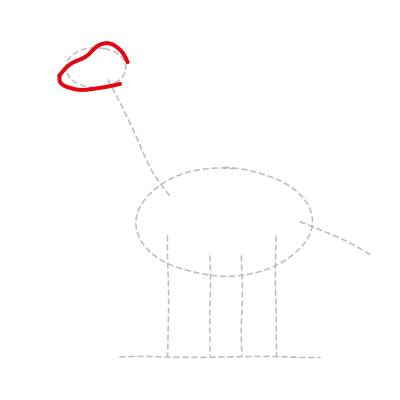
Draw the head: a long snout at the front, a rounded bump on top of the head over the eyes (the nasal crest), and the jaw underneath. Keep it small; the whole head is only a little longer than the neck is wide at the base.
-
4 Step 4
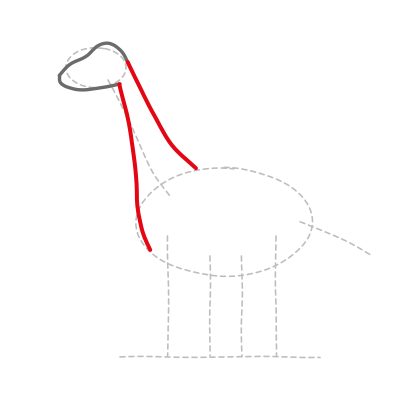
Draw the neck with two long curves. The back of the neck runs from the back of the head down to the top of the shoulders; the front runs from the throat to the chest. Let the neck get gradually thicker as it reaches the body.
-
5 Step 5
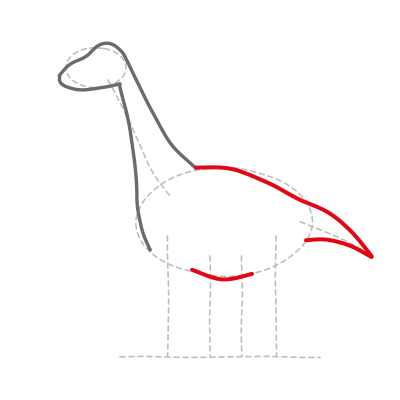
Draw the back sloping down from the high shoulders to the hips, then the tail, tapering to a point. Add a short curve under the body between where the legs will go for the belly.
-
6 Step 6
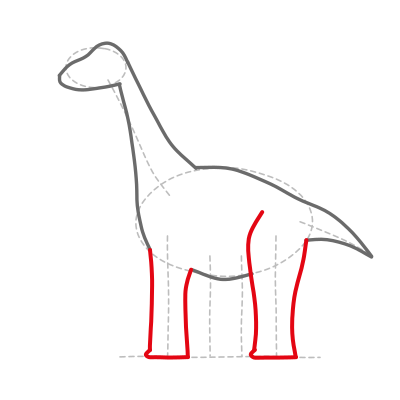
Draw the two near legs. The front leg is a tall straight column with a slightly narrower ankle; the hind leg starts with a big rounded thigh that comes out of the hip and then narrows into a column. Both end in broad, flat-bottomed feet like an elephant's.
-
7 Step 7
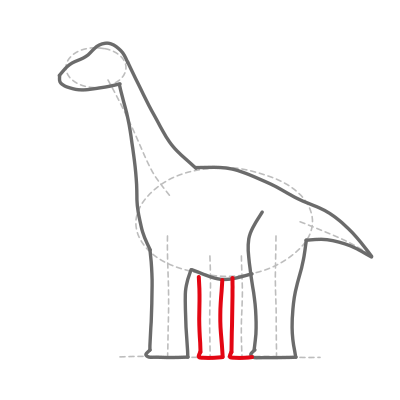
Draw the two far legs just behind the near ones, so only part of each shows. Their feet sit on the same ground line.
-
8 Step 8
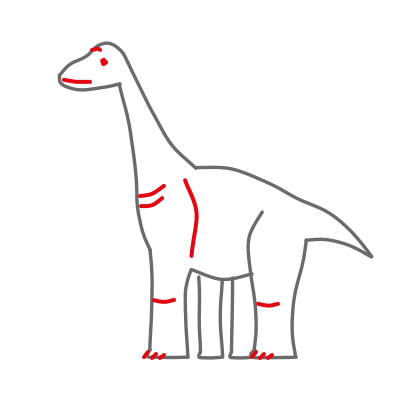
Erase the guides. Add the eye under the crest, a nostril on top of the crest, the mouth line and short blunt claws on the feet. Draw a long curve for the back of the upper arm, and a few skin folds where the neck meets the chest and at the knee and elbow.
-
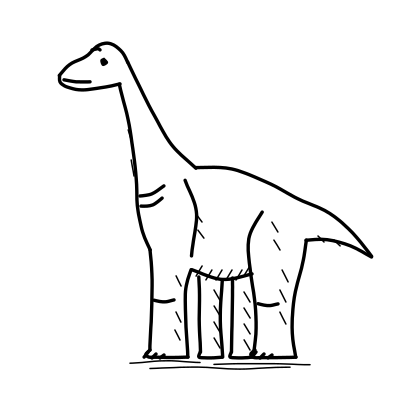
✓ Finished
Ink the lines you want to keep, erase the pencil, and add the shading strokes shown here on the side away from the light.
Step 1 of 7
Draw a big oval for the body in the lower middle of the page and a smaller oval for the head high on the right.
· · Steps as a list
How to draw a dinosaur (easy), step by step
-
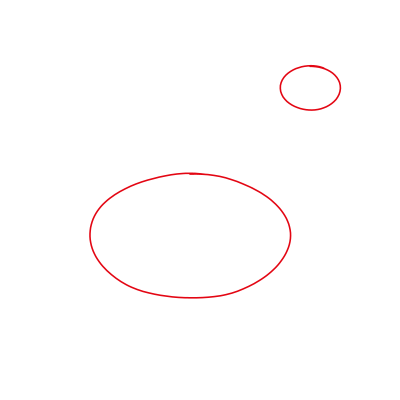
1 Step 1
Draw a big oval for the body in the lower middle of the page and a smaller oval for the head high on the right.
-
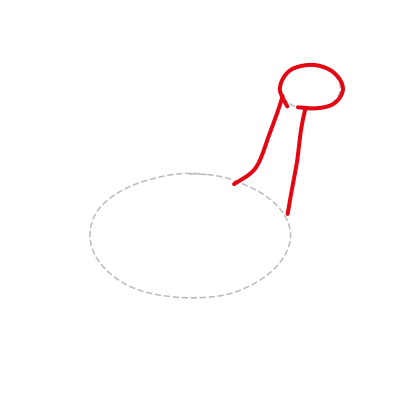
2 Step 2
Draw the head as a rounded bean with the snout poking forward, then join it to the body with a long neck: two curves that are wide at the body and narrow under the head.
-
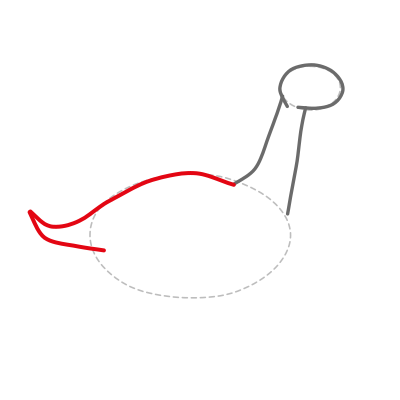
3 Step 3
Draw the round back from the neck over the top of the body and carry it on into a long tail that tapers to a point with a little upward flick. Draw the underside of the tail back toward the body.
-
4 Step 4
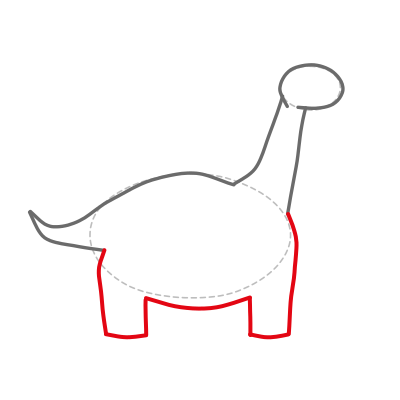
Add two thick, short legs on the near side, one at the chest and one under the tail, each with a flat foot. Join them with the curve of the belly.
-
5 Step 5
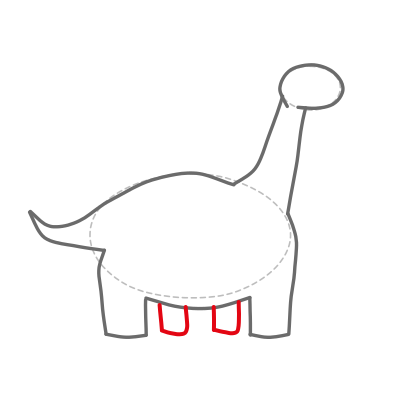
Draw the two far legs peeking out between the near ones. They are a little shorter on the page because they stand further back.
-
6 Step 6
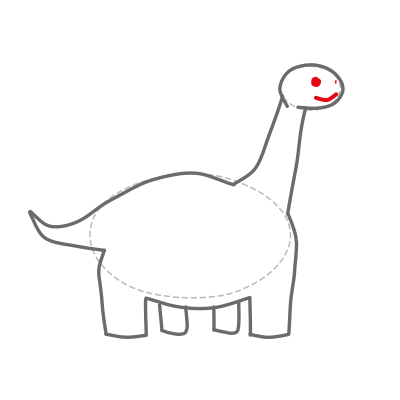
Give it a face: a round eye near the top of the head, a nostril at the tip of the snout and a gentle smiling mouth.
-
7 Step 7
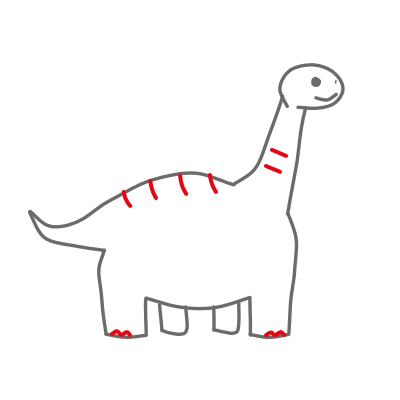
Erase the guides. Add a few short stripes across the back, rounded toenails on the near feet and two creases on the neck.
-
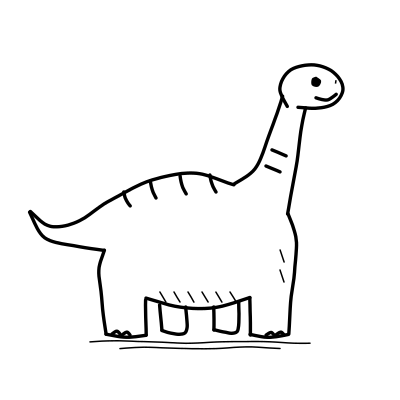
✓ Finished
Ink the lines you want to keep, erase the pencil, and add the shading strokes shown here on the side away from the light.
About this drawing
The long-necked plant-eaters, the sauropods, are the easiest dinosaurs to draw well because they are built from a few big, simple shapes: a barrel of a body, four pillar legs, a long neck and a tapering tail. The detailed version is a Brachiosaurus-type sauropod with its shoulders higher than its hips and its neck raised steeply; the easy version is a rounder, friendlier long-neck you can finish in six steps. For a meat-eater, see the T. rex page.
You need: Pencil, eraser, paper. A fine pen for inking and a softer pencil for the shading.
Tips
- Tilt the body oval. On a Brachiosaurus the shoulders are higher than the hips because the front legs are longer; on a Diplodocus or Apatosaurus it is the other way round.
- Keep the head small. A sauropod's head is tiny for its size; a big head instantly turns it into a cartoon or a different animal.
- Draw the legs as straight pillars with elephant-like feet. Sauropods stood on nearly straight legs to carry their weight, so avoid bendy, springy knees.
- Make the neck thicken smoothly into the chest and shoulders. Where it meets the body, add a couple of skin folds to show the weight.
- Put all four feet on the same ground line and let the far legs be partly hidden. That one detail makes the animal stand on the ground instead of floating.
Common mistakes
- Neck as thin as a hose all the way down. Start it narrow under the head and widen it steadily; at the base it is as deep as the chest.
- Legs too short and stumpy for a realistic version. The front legs of a Brachiosaurus are about as long as the body is deep, or longer.
- Tail dragging on the ground. Sauropods held their tails off the ground; draw it rising from the hip level and tapering in the air.
- Knees bending the wrong way. If you show a bend at all, the front leg's elbow points back and the hind leg's knee points forward, like an elephant's.
Once you can draw it: 6 ideas to try
- A Diplodocus with a long, low neck held level and a whip-like tail twice as long as the body
- A sauropod rearing up on its hind legs to reach the top of a tree
- A stegosaurus: a low-headed, arched back with two rows of tall plates and four spikes on the tail
- A herd of long-necks walking in single file across a plain, getting smaller into the distance
- A baby sauropod hatching from a round egg, with an oversized head and stubby legs
- A triceratops facing you, head lowered, with its frill and three horns
Want something random? Roll a drawing idea.
Questions
How do you draw a dinosaur easy?
Draw a big oval for the body and a small circle for the head above it on one side. Join them with two curves for a long neck, pull the other end of the body into a tapering tail, and add four short column legs with flat feet. Finish with an eye, a smile and a few spots.
How do you draw a realistic dinosaur?
Start from real proportions: a small head, a neck that widens into the chest, straight pillar legs with elephant-like feet and a tail held off the ground. Overlap the far legs behind the near ones, add skin folds where the body bends, and shade the underside and the far legs.
What is the easiest dinosaur to draw?
A long-necked sauropod is the easiest: it is mostly one oval, two curves for the neck, four straight legs and a tapering tail. A stegosaurus is a good next step, then a T. rex, which needs a balanced two-legged pose.
What dinosaur is this drawing based on?
The detailed version follows a Brachiosaurus-type sauropod, with long front legs, high shoulders, a steep neck and a bump on the head over the nostrils. Lower the neck and lengthen the tail and it becomes a Diplodocus-type.